Turquoise Painted Wood Texture: A Stylish Choice with Practical Considerations
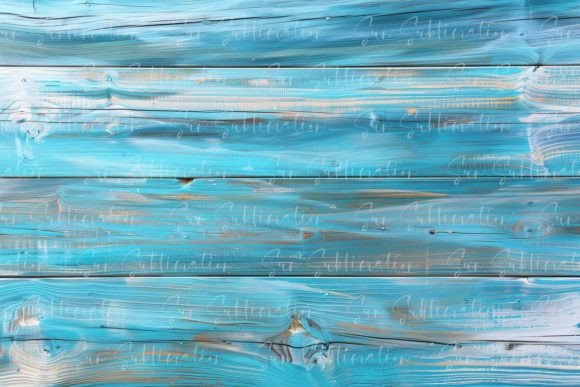
When it comes to adding visual interest and a splash of color to wooden surfaces, turquoise painted wood texture offers a unique and appealing option. Whether used in digital design projects, home décor, or creative marketing materials, this textured look blends the organic warmth of wood with the calming vibrance of turquoise. However, while it may seem straightforward to choose and apply, there are several nuances that users often overlook—mistakes that can affect the final outcome, especially when translating digital visuals into printed or physical products.
Understanding the Appeal of Turquoise Painted Wood Texture
The charm of turquoise painted wood texture lies in its ability to merge two powerful design elements: the natural grain and depth of wood with the soothing, eye-catching tone of turquoise. This combination can evoke coastal themes, rustic modernity, or even a playful retro vibe, depending on how it’s applied. Designers and creators often use this texture in web backgrounds, packaging, digital mockups, or even physical furniture projects.
What makes this texture especially popular is its versatility. It can be used subtly as a background element or more boldly as a focal point. The painted wood effect adds dimension, while the turquoise hue brings a sense of calm and freshness to the design.
Common Missteps When Working with Turquoise Painted Wood Texture
Despite its visual appeal, many users encounter issues when incorporating turquoise painted wood textures into their projects. Some of these problems stem from misunderstanding how digital textures translate into physical prints or how colors appear across different screens.
1. Overlooking Color Calibration Differences
One of the most frequent mistakes involves assuming that the turquoise seen on a screen will look the same in print or real-life applications. Monitors vary widely in color calibration, and what appears as a vibrant turquoise on one device might look muted or slightly greenish on another. This discrepancy can lead to disappointment when the final product doesn’t match expectations.
Solution: Always request a physical sample if ordering printed materials, or use calibrated monitors for digital design work. For digital downloads, check if the file includes color profiles or notes from the creator about expected variations.
2. Using Low-Resolution Files for Large Projects
Another common issue is using a low-resolution JPEG texture for large-scale applications like banners, posters, or wall art. The texture may look fine on a small website banner but can appear pixelated or blurry when scaled up.
Better approach: Ensure the file you’re using has sufficient resolution (at least 300 DPI for print) and is appropriate for the intended size. If possible, choose textures offered in multiple formats, including vector or high-res raster files.
3. Ignoring the Impact of Lighting and Backgrounds
When applying turquoise painted wood texture in design projects, many users fail to consider how lighting or surrounding colors affect the overall look. A turquoise wood texture might appear dramatically different under warm or cool lighting conditions, or when placed next to contrasting colors.
Practical advice: Test the texture in different lighting environments or layer it with other elements to see how it interacts. For digital use, preview the design on multiple devices to ensure consistency.
How These Oversights Affect End Results
The consequences of these mistakes can range from aesthetic disappointment to practical setbacks. For example, a business using a turquoise painted wood background in printed marketing materials may find that the color doesn’t align with their brand palette, leading to a lack of cohesion. Similarly, a blogger using a low-quality JPEG for a digital post might experience poor engagement due to blurry visuals.
In creative projects like furniture or DIY décor, mismatched color expectations can result in wasted time and materials. In digital work, poor texture resolution or color mismatch can harm professionalism and credibility.
Key Checks Before Using Turquoise Painted Wood Texture
To avoid these pitfalls, consider the following before incorporating turquoise painted wood texture into your project:
- File resolution: Confirm that the image quality matches your intended use, especially for large-scale or print applications.
- Color accuracy: Use color calibration tools or request physical swatches when possible.
- Texture compatibility: Test how the turquoise wood texture interacts with other design elements or background colors.
- Usage rights: If downloading a JPEG or digital file, ensure you have the appropriate license for your intended use, especially for commercial projects.
Realistic Examples and Better Approaches
Let’s say a small business owner wants to use a turquoise painted wood texture for a new line of product packaging. If they rely solely on how the color appears on their laptop screen, the printed boxes might look different under store lighting. A better approach would be to order a printed proof and view it in multiple lighting conditions before mass production.
Another example involves a digital creator using a turquoise wood texture as a background for a website. If they don’t test the texture across devices, they may not realize that the turquoise appears washed out on mobile screens. A solution would be to adjust the color slightly in design software to compensate for known screen variations.
Making the Most of Turquoise Painted Wood Texture
Used thoughtfully, turquoise painted wood texture can elevate both digital and physical projects with its unique blend of rustic charm and modern color. By understanding potential pitfalls and taking a few precautionary steps, you can ensure your use of this texture enhances your work rather than detracts from it.
Whether you're designing a logo background, creating a mood board, or crafting a custom furniture piece, being mindful of color variation, resolution, and environmental factors will help you achieve the look you're aiming for—without unpleasant surprises.
Remember, the goal isn’t just to choose a beautiful texture—it’s to use it wisely, ensuring that your final output reflects your vision accurately and professionally.