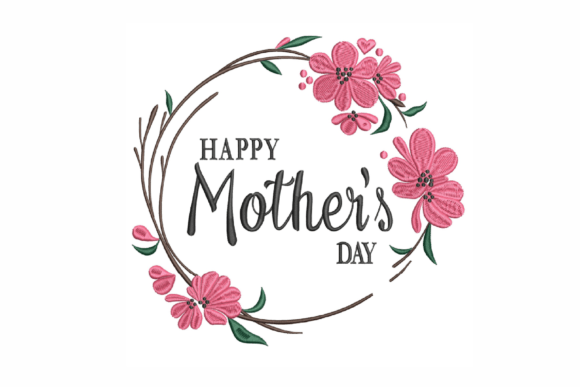
Celebrating with a Happy Mother's Day Embroidery Design
There is something undeniably special about a handmade gift. When you choose to celebrate Happy Mother's Day with a custom creation, you are offering more than just a present; you are giving time, thought, and personal effort. Among the many ways to express this sentiment, embroidery stands out for its durability and elegance. A well-executed Floral Embroidery pattern or a delicate Flower Frame Embroidery can transform an ordinary item into a cherished keepsake. However, the path from digital file to finished product is often riddled with small but costly errors that can ruin the final presentation.
Whether you are a seasoned machine operator or a beginner exploring your first project, understanding the nuances of selecting and applying a Happy Mother's Day design is crucial. The difference between a professional-looking gift and a frustrating mess often lies in the details you might overlook before hitting the "start" button.
The Allure and Purpose of Custom Embroidery Gifts
Why has embroidery become such a popular choice for Mother's Day? Unlike printed t-shirts that fade after a few washes, stitched designs have a tactile quality that feels premium and lasting. The versatility of these designs allows them to be applied to a wide range of items. You can embroider a sweet message on clothes and t-shirts, add a personal touch to pocket mirrors, or decorate practical items like keychains, hair brushes, and beauty cases. Even larger projects, such as blankets, benefit from the warmth and texture of thread.
The core appeal lies in customization. A generic store-bought card says "I love you," but a blanket embroidered with her favorite flowers and a personalized date says, "I know you." This level of personalization is what drives the demand for high-quality Happy Mother's Day files. Yet, the excitement of creating these gifts often leads creators to skip essential preparation steps, resulting in wasted materials and missed deadlines.
Common Pitfalls in Choosing and Using Embroidery Files
One of the most frequent mistakes I see hobbyists and small business owners make is assuming all embroidery files are created equal. Just because a design looks beautiful on a thumbnail does not mean it will stitch correctly on your specific machine or fabric. Many users download a file without checking the stitch count or the hoop size requirements. If you attempt to stitch a large floral frame on a small hoop without splitting the design, the result will be distorted and misaligned.
Another critical oversight involves file formats. While modern machines are versatile, they are not universal. A design saved only in one proprietary format might be incompatible with your equipment. If you are purchasing a Happy Mother's Day design, ensure the package includes multiple embroidery file formats. This flexibility is essential if you own older machines or if you plan to sell your creations using different types of equipment. Ignoring this detail can leave you unable to use the design you paid for, forcing you to spend extra money on conversion software or repurchasing the file.
Fabric and Stabilizer Mismatches
Beyond the digital file, the physical application is where many projects fail. A common misunderstanding is treating all fabrics the same way. Embroidering a heavy floral design on a thin, stretchy t-shirt without the proper stabilizer will cause the fabric to pucker and the stitches to sink. Conversely, using too much stabilizer on a thick blanket can make the embroidery feel stiff and uncomfortable.
For items like pocket mirrors or hair brushes, the challenge shifts to surface stability. These non-fabric surfaces require specialized backing and often a water-soluble topping to prevent thread breakage and ensure the design sits flat. Skipping the step of testing your tension and stabilizer combination on a scrap piece of material is a gamble you rarely win. The cost of a ruined shirt or a broken brush handle far outweighs the five minutes spent doing a test run.
How Mistakes Impact Quality and Satisfaction
The consequences of these oversights extend beyond just a single failed project. For entrepreneurs and freelancers, poor quality control can damage your reputation. If you sell embroidered beauty cases or blankets as part of a Mother's Day collection, receiving complaints about loose threads or uneven stitching can deter future customers. In the world of handmade goods, trust is everything. A sloppy finish suggests a lack of care, which undermines the very sentiment the gift is meant to convey.
For personal gifts, the impact is emotional. Imagine spending hours preparing a surprise for your mother, only to realize the text is misspelled because the font was not compatible, or the flower frame is cut off because the hooping area was miscalculated. The frustration of having to redo the work can turn a joyful holiday into a stressful ordeal. Furthermore, inefficient use of thread and time increases the cost per item, making your creative endeavors less profitable or enjoyable.
Practical Steps for a Flawless Execution
To avoid these pitfalls, adopt a systematic approach before you begin stitching. Start by evaluating the design itself. Look closely at the preview images provided by the seller. Does the Floral Embroidery pattern look dense? Dense patterns require more stabilizer and potentially a higher-quality needle. Check the technical specifications: What is the maximum width and height? Does it fit within your machine's largest hoop?
Verify File Compatibility: Before downloading or buying, confirm that the listing includes the file format your machine requires (such as .PES, .DST, .JEF, etc.). If you are unsure, contact the seller immediately. It is better to ask now than to find out later that the file won't load.
Select the Right Backing: Match your stabilizer to your fabric weight. For t-shirts and light clothing, use tear-away or cut-away stabilizers depending on the stretch. For rigid items like keychains or mirrors, consider a magnetic hoop or a temporary adhesive spray to hold the fabric taut. Always do a test stitch on a scrap piece of the actual material you intend to use.
Check the Hoop Size: If the design is a large Flower Frame Embroidery, ensure your machine can accommodate it. If the design exceeds your hoop size, look for a version that is split into sections or resize the design carefully, keeping in mind that reducing the size too much can crowd the stitches and cause thread breaks.
Evaluating Your Design Choices Before You Commit
Before making a decision on which Happy Mother's Day design to use, take a moment to consider the end user. Is the recipient someone who prefers subtle, elegant touches, or do they enjoy bold, colorful statements? A complex floral arrangement might look stunning on a blanket but could be overwhelming on a small keychain. Context matters.
Also, consider the longevity of the item. Items that undergo frequent washing, like t-shirts and blankets, need designs with fewer underlay issues and stronger thread anchoring. If you are creating a set of gifts for a workshop or a small business launch, consistency is key. Ensure that every item receives the same amount of attention regarding tension settings and trimming.
By taking these proactive steps, you ensure that your Happy Mother's Day projects are not just completed, but perfected. The goal is to create something that brings joy, not stress. With the right preparation, the right tools, and a bit of patience, your embroidery can become the highlight of the holiday—a tangible symbol of love that lasts for years to come.