Heart Shape: The Ultimate Embroidery Design for Crafters
The heart shape remains the most universally recognized symbol in human history, transcending language and culture to communicate love, compassion, and connection instantly. In the realm of textile arts, a well-executed Heart Shape embroidery design does more than just decorate; it adds an emotional layer to everyday objects. Whether you are a seasoned designer looking to expand your product line or a hobbyist wanting to personalize a gift, this motif offers versatility that few other designs can match. Unlike a static image printed on fabric, embroidery gives the heart texture, depth, and a tactile quality that elevates the perceived value of the item.
The Visual Personality of the Heart Motif
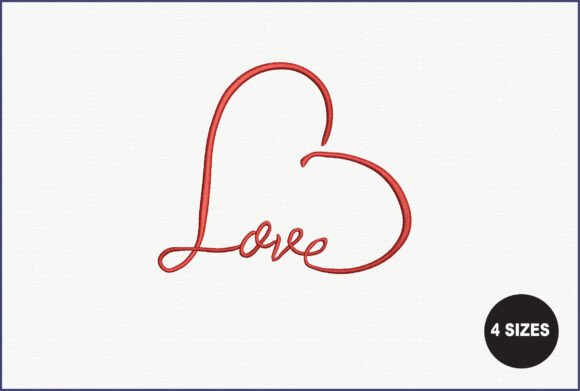
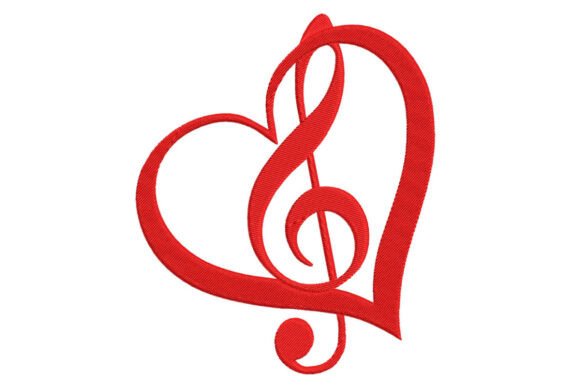
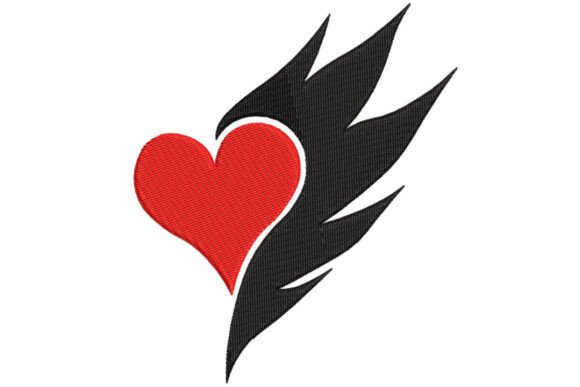
When we talk about the visual characteristics of a Heart Shape in embroidery, we are discussing more than just two curved lobes meeting at a point. The appeal lies in how the thread interacts with light and shadow. A premium embroidery file transforms a simple outline into a dimensional object through the strategic use of satin stitches, fill patterns, and underlay. This creates a soft sheen that mimics the organic nature of the symbol itself.
The personality of this design is inherently warm and inviting. It carries a style that ranges from classic and romantic to modern and minimalist, depending entirely on the execution. For instance, a dense, multi-colored fill might suggest a bold, contemporary statement suitable for streetwear, while a delicate, single-color outline evokes a sense of timeless elegance perfect for heirloom-quality items. This adaptability makes the Heart Shape a cornerstone of brand identity for businesses focusing on wellness, relationships, or self-care. It signals care and attention to detail without needing a single word of text.
Transforming Everyday Objects into Personalized Gifts
The true power of this machine embroidery design lies in its application across a diverse range of materials and products. Because the heart is a compact and balanced form, it fits seamlessly onto items where space is limited or where a large graphic would be overwhelming. Consider the impact of adding a small, embroidered heart to a plain cotton t-shirt. It instantly converts a basic garment into a personalized piece of fashion. Similarly, placing this design on a pocket mirror or a hair brush adds a touch of luxury that mass-produced items often lack.
For entrepreneurs and small business owners, the versatility of the Heart Shape opens up significant opportunities for product diversification. You can embroider it on beauty cases to create cohesive sets for bridesmaids or spa professionals. On blankets, a larger version of the design can serve as a focal point, turning a functional household item into a cozy, sentimental keepsake. Even keychains benefit from this motif; the raised texture of the stitching provides a satisfying grip and a unique aesthetic that distinguishes your product from cheap plastic alternatives. These applications demonstrate how a single design asset can drive sales across multiple categories, from apparel to home decor and accessories.
Technical Flexibility and File Formats
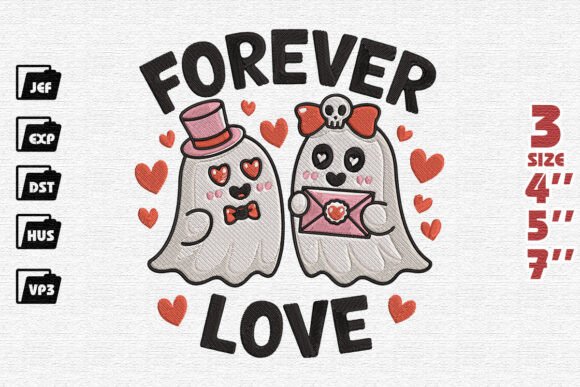
One of the most critical aspects of using digital embroidery assets is compatibility. A high-quality Heart Shape design package typically includes multiple file formats, ensuring that you can work with almost any embroidery machine on the market. Whether you are using a Brother, Bernina, Janome, or Tajima machine, having access to the correct file format eliminates the frustration of conversion errors and stitch distortion. This technical reliability is essential for maintaining professionalism in your work.
When evaluating these design assets, look for files that offer stability in various sizes. A good embroidery digitizer will ensure that the heart maintains its structural integrity whether it is scaled down to 0.5 inches for a cuff or expanded to 6 inches for a tote bag. The inclusion of different stitch types within the file allows for creative variation. You might choose a smooth satin stitch for a sleek look or a textured fill for a rustic feel. This flexibility empowers creators to tailor the final output to their specific project needs without compromising quality.
Strategic Applications in Branding and Marketing
Beyond personal projects, the Heart Shape plays a vital role in commercial branding and marketing strategies. In packaging design, an embroidered heart on a custom box or tag can elevate the unboxing experience, making the brand feel more intimate and handcrafted. For editorial design and publishing, incorporating physical samples of embroidered hearts into promotional materials can create a memorable tactile interaction for readers and clients.
In the context of web design and social media graphics, showcasing the process of creating these designs—perhaps through time-lapse videos of the embroidery machine in action—can significantly boost audience engagement. People are drawn to the craftsmanship behind the product. By highlighting the precision of the Heart Shape design, brands can communicate values of quality, tradition, and artistry. This approach aligns perfectly with modern typography trends that favor authenticity over perfection. Just as a handwritten font conveys personal touch in digital media, an embroidered heart conveys warmth in the physical world.
When integrating this motif into a broader logo design strategy, consistency is key. Using the same Heart Shape across various mediums—from a display font on a website to the actual stitched logo on merchandise—creates a cohesive visual hierarchy. This repetition builds recognition and trust. Consumers begin to associate the specific style of the heart with your brand's promise of quality. Whether you are designing for a boutique clothing line or a local craft fair, the heart serves as a reliable anchor for your visual identity.
Practical Guidance for Selecting and Using Designs
Choosing the right Heart Shape embroidery design requires careful consideration of your specific project goals. Start by evaluating the fabric weight and type. Delicate fabrics like silk require lighter stitch counts and finer threads, while heavier materials like denim or canvas can support denser fills and thicker outlines. Always test your design on a scrap piece of the actual fabric before committing to the final product. This step ensures that the tension is correct and that the heart shape does not pucker or distort during the stitching process.
Consider the color palette as well. While red is the traditional choice, exploring alternative colors can refresh the look of the design. Pastels might suit baby items, while metallic threads could add a festive touch to holiday gifts. When reviewing included styles in a design package, check for variations in complexity. Some designs may feature intricate internal details that require high-end machines, while others are simplified for home hobbyists. Understanding these nuances helps you select the best tool for the job.
Finally, always review the licensing terms associated with your digital assets. If you plan to sell items featuring the Heart Shape design, ensure you have a commercial license that permits production and resale. Reputable designers provide clear guidelines on usage rights, protecting both the creator and the user. By respecting these boundaries and choosing high-quality, legally compliant assets, you safeguard your business and maintain professional standards in your creative endeavors. The Heart Shape is more than just a symbol; it is a versatile tool for storytelling, branding, and connecting with your audience through the timeless art of embroidery.