Brushed Pewter Metallic Backgrounds: A Practical Guide for Professional Design Workflows
In the realm of digital design and brand identity, texture often serves as the silent communicator of quality. Among the most versatile and enduring textures available is the brushed pewter metallic finish. Unlike flat colors or generic gradients, Brushed Pewter Metallic Backgrounds offer a tactile depth that translates seamlessly across various media formats. For professionals ranging from marketing agencies to independent freelancers, integrating these assets into a project workflow can significantly elevate the perceived value of the final output without requiring complex 3D rendering skills.
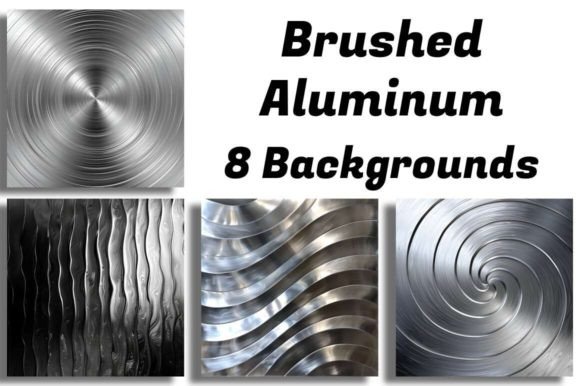
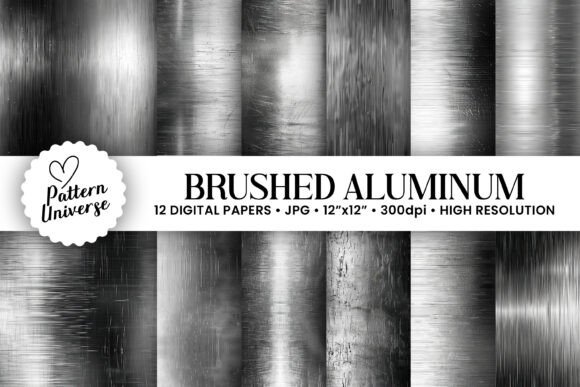
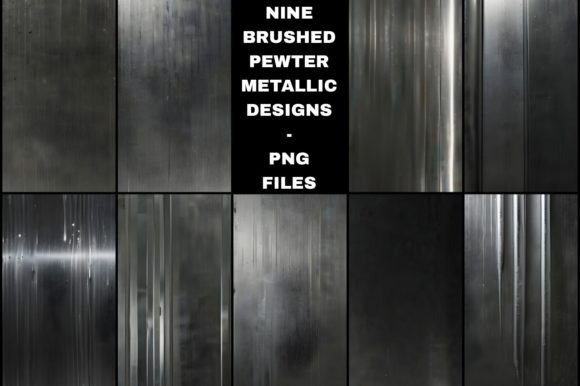
The allure of this specific aesthetic lies in its balance between industrial grit and refined luxury. It captures the light in a way that suggests movement and substance, making it an ideal candidate for high-end product packaging, corporate presentations, and digital interfaces. When you select a set like the 9 Brushed Pewter Metallic Backgrounds - High Quality PNG Files, you are not merely downloading images; you are acquiring a toolkit designed to streamline your creative process while ensuring consistent visual standards.
Understanding the Role of Texture in Visual Strategy
Before diving into implementation, it is essential to understand where Brushed Pewter Metallic Backgrounds fit within a broader design strategy. In the planning phase of any visual project, the background acts as the foundation upon which all other elements rest. A poorly chosen background can obscure typography, clash with color palettes, or fail to convey the intended brand message. Conversely, a well-selected metallic texture can unify disparate elements, providing a cohesive stage for logos, text, and imagery.
Pewter, historically known for its use in tableware and decorative arts, carries connotations of tradition, durability, and understated elegance. In a modern digital context, the "brushed" effect softens the harshness of pure metal, creating a surface that feels approachable yet sophisticated. This makes it particularly effective for industries such as finance, automotive, luxury goods, and technology, where trust and precision are paramount. By incorporating these backgrounds early in the conceptualization phase, designers can establish a mood board that guides subsequent decisions regarding typography, color grading, and layout.
Integrating High-Quality PNG Assets into Your Workflow
The technical format of your assets is just as critical as their visual appeal. The availability of these backgrounds in High Quality PNG Formats offers distinct advantages over JPEG or TIFF files when working within standard design software like Adobe Photoshop, Illustrator, Canva, or Figma. PNG files support transparency, allowing for non-destructive editing and seamless layering. This capability is vital for maintaining flexibility throughout the production lifecycle.
When you introduce Brushed Pewter Metallic Backgrounds into your workspace, the workflow typically follows a logical progression:
- Asset Selection and Organization: Begin by importing the nine distinct variations into a dedicated folder within your project directory. Naming conventions should reflect the specific grain direction or lighting angle of each file to facilitate quick retrieval during the assembly phase.
- Layer Management: Place the metallic background on the bottom layer of your composition. Because PNGs preserve edge quality, you can scale them up or down without the pixelation issues often associated with compressed formats.
- Blending and Adjustment: Utilize blending modes such as "Overlay," "Soft Light," or "Multiply" to integrate the texture with underlying colors. This technique allows the metallic sheen to interact dynamically with your primary content, rather than simply sitting on top of it.
- Quality Control: Before finalizing the design, zoom in to inspect the texture resolution. Ensure that the brushed lines remain crisp and do not exhibit banding or compression artifacts, especially if the final output will be large-format print.
This structured approach ensures that the integration of the asset is efficient and reversible. If a client requests a change in tone later in the process, having the background on a separate, transparent layer allows for immediate adjustments without needing to recreate the entire graphic.
Practical Applications Across Different Project Stages
The versatility of Brushed Pewter Metallic Backgrounds extends beyond simple decoration; they serve functional roles at various stages of a project's lifecycle.
Pre-Production and Prototyping
During the initial brainstorming or prototyping phase, these backgrounds can act as placeholders to test contrast ratios and readability. For instance, if you are designing a new product label, applying a pewter texture helps visualize how the product name will stand out against a metallic surface. This early testing can prevent costly revisions during the final production run. It also aids in decision-making regarding font weights; lighter fonts may disappear against a busy texture, necessitating a switch to bolder typefaces earlier in the process.
Active Production and Asset Creation
Once the concept is approved, the backgrounds become integral to the actual creation of deliverables. Marketing teams can use them for social media banners, email headers, and landing page hero sections. The consistent texture provides a recognizable visual thread that ties together a campaign. For entrepreneurs building a personal brand, using one of the nine variations across different platforms—such as a LinkedIn banner, a website footer, and a business card—creates a unified professional identity.
Post-Production and Archiving
After the project is complete, these assets remain valuable for future iterations. If a brand undergoes a minor refresh, the existing metallic backgrounds can be reused with slight color adjustments, saving time on sourcing new textures. Furthermore, organizing these files correctly ensures they are accessible for long-term use, contributing to a robust digital asset management system.
Optimizing Compatibility and Consistency
A common challenge in collaborative environments is maintaining consistency across different devices and software platforms. Brushed Pewter Metallic Backgrounds in PNG format generally offer excellent compatibility, but there are factors to consider for optimal performance.
First, consider the color space. If your project is destined for print, ensure the source files are converted to CMYK before final export, although the original PNGs are likely in RGB. The metallic effect relies heavily on subtle gradients of gray and silver; improper color conversion can wash out these details, turning a rich pewter into a flat gray. Second, file size management is crucial. While high-quality PNGs provide superior detail, they can be larger than necessary for web use. Compressing the final composite image without losing the texture's integrity is a key step in the optimization process.
Consistency also applies to the selection of the specific background from the set of nine. Each variation likely features a different grain orientation or lighting highlight. To maintain a cohesive look across a suite of materials, choose one or two dominant textures and stick to them. Mixing too many variations can create visual noise and dilute the brand's impact. Strategic repetition reinforces recognition, whereas random variety can confuse the audience.
Strategic Implementation Tips for Professionals
To maximize the utility of Brushed Pewter Metallic Backgrounds, consider the following practical observations derived from industry best practices:
- Leverage Transparency for Depth: Do not limit yourself to full-screen coverage. Use the transparency channel to apply the texture only to specific areas, such as behind a logo or within a geometric shape. This selective application adds sophistication without overwhelming the viewer.
- Pair with Minimalist Typography: The complexity of the brushed metal texture pairs best with clean, sans-serif fonts. Avoid ornate scripts that might compete with the grain of the metal. Let the background provide the character while the text remains legible.
- Test Across Devices: Metallic effects can appear differently on matte versus glossy screens. Always preview your designs on multiple devices to ensure the texture renders as intended for your target audience.
- Create Variations for Accessibility: While the aesthetic is striking, ensure that text placed over the background meets accessibility contrast standards. You may need to add a subtle overlay or shadow to text elements to guarantee readability for all users.
Long-Term Value and Efficiency
Investing in a curated collection like the 9 Brushed Pewter Metallic Backgrounds yields long-term benefits for productivity-minded users. Instead of spending hours searching for free, low-resolution textures or struggling with complex 3D modeling software to generate custom metal surfaces, professionals can access ready-to-use, high-fidelity assets immediately. This efficiency frees up time for higher-level strategic thinking and creative problem-solving.
Moreover, the timeless nature of the pewter aesthetic means these assets are less likely to become obsolete due to fleeting design trends. While neon gradients and glassmorphism may come and go, the classic appeal of brushed metal remains a staple in premium design. By integrating these backgrounds into your standard operating procedures, you build a library of reliable resources that support rapid execution and consistent quality control.
Ultimately, the successful use of Brushed Pewter Metallic Backgrounds is about more than just adding a pretty picture to a slide or a webpage. It is about understanding the interplay between texture, light, and form to communicate value. Whether you are a marketer crafting a campaign, a designer building a brand identity, or an entrepreneur launching a new product, these high-quality PNG files offer a practical, efficient, and elegant solution to enhance your visual communication. By treating them as strategic tools within a well-planned workflow, you can achieve results that surpass expectations and foster innovation in your creative output.