Brushed Aluminum: A Strategic Asset for Modern Design
In the crowded landscape of digital communication, the choice of background texture is rarely just an aesthetic decision; it is a strategic signal. Brushed aluminum has emerged as a definitive element in contemporary design, offering more than just a metallic sheen. It provides a visual language that speaks to precision, durability, and modern sophistication. For entrepreneurs, marketers, and creative professionals, understanding how to leverage this texture can significantly impact brand perception and user engagement. This guide explores the practical application of brushed aluminum backgrounds, moving beyond surface-level trends to examine how this material supports long-term branding goals and operational clarity.
The Strategic Value of Metallic Textures
Why does brushed aluminum resonate so effectively with adult audiences and corporate entities? The answer lies in the psychological associations tied to the material. Unlike glossy chrome, which can appear flashy or cheap if overused, or matte finishes that may feel too utilitarian, brushed aluminum occupies a unique middle ground. It suggests high-quality manufacturing, technological advancement, and a commitment to detail. When you integrate these textures into your visual assets, you are subconsciously communicating reliability and innovation to your audience.
For small business owners and freelancers, this distinction is critical. In a market where trust is currency, every pixel counts. A presentation deck featuring a sleek, brushed metal backdrop immediately elevates the perceived value of the content within. It signals that the presenter understands current design standards and respects the viewer's time by presenting information on a clean, distraction-free canvas. This is not about decoration; it is about positioning your work within a framework of professional excellence.
Defining the Aesthetic: Subtle Luminosity and Depth
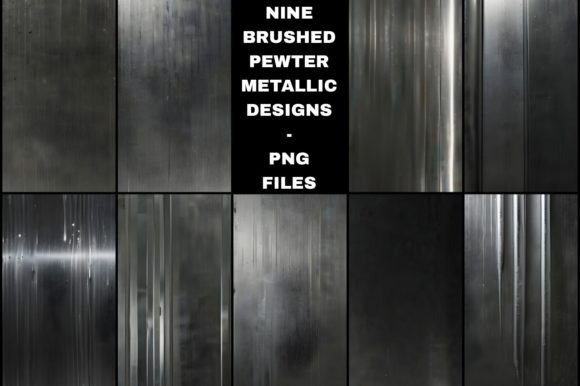
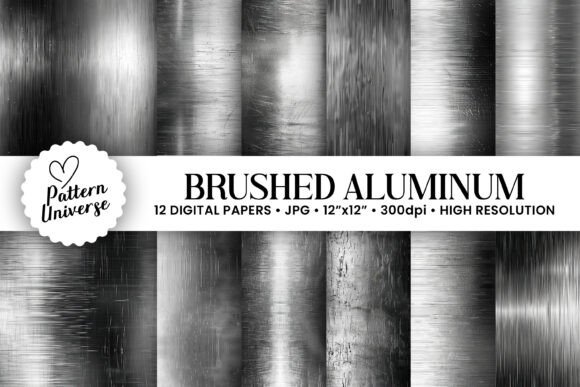
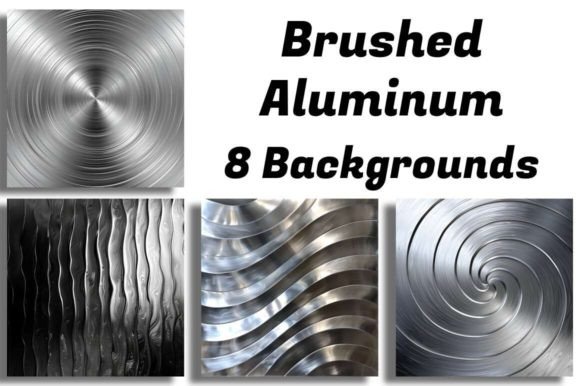
The allure of our Brushed Aluminum Backgrounds Collection stems from its ability to capture subtle luminosity. Real-world metal surfaces interact with light in complex ways, creating gradients and reflections that add depth without clutter. Digital representations often fail to replicate this nuance, resulting in flat, lifeless images. However, high-resolution textures that mimic the fine grain of actual brushed metal provide a sophisticated foundation for graphic design and digital art.
This play of light and shadow serves a functional purpose. It guides the eye across the composition, creating a natural hierarchy for text and data visualization. When designing a futuristic concept or a polished corporate report, the soft reflectivity of the background ensures that foreground elements pop without requiring aggressive contrast adjustments. This balance is essential for maintaining readability while achieving a premium look.
Integrating Brushed Aluminum into Your Workflow
Adopting a new design element requires intentionality. Randomly applying a metallic texture to every project dilutes its impact and can lead to a disjointed brand identity. Instead, approach the use of brushed aluminum as part of a broader visual strategy. Consider the specific goals of your project: Are you aiming to convey stability? Innovation? Minimalism? The answer will dictate whether this texture is the right tool for the job.
Planning for Versatility
One of the primary advantages of this collection is its versatility. Whether you are creating marketing collateral, website headers, or product mockups, the neutral tone of brushed aluminum adapts to various color palettes. It pairs exceptionally well with bold typography, vibrant accent colors, and monochromatic schemes. For educators and publishers, this flexibility allows for consistent branding across diverse materials, from slide decks to digital publications.
To maximize productivity, consider building a library of these textures early in your planning phase. Having eight meticulously crafted backdrops available means you can quickly prototype different concepts without spending hours searching for stock imagery. This efficiency allows you to focus on the core message of your content rather than getting bogged down in asset hunting.
Use Cases for Professional Application
- Corporate Presentations: Use brushed aluminum backgrounds for annual reports or investor pitches to project an image of financial solidity and forward-thinking strategy.
- Tech Product Launches: Leverage the industrial chic of the texture to highlight hardware features or software interfaces, reinforcing the connection between the product and high-end engineering.
- Photography Overlays: Apply these textures subtly behind product shots to create a studio-like environment that emphasizes the subject's form and finish.
- Digital Art and Concept Design: Utilize the reflective qualities to build immersive environments for sci-fi concepts or architectural visualizations.
Navigating Risks and Common Pitfalls
While the benefits are clear, there are risks associated with using brushed aluminum without a clear context. The most common mistake is over-saturation. If every element in a design competes for attention with a busy background, the result is visual noise that obscures your message. Furthermore, using low-resolution versions of these textures can introduce compression artifacts, undermining the very sense of quality you are trying to establish.
The Importance of Resolution
High-resolution detail is non-negotiable when working with metallic textures. The intricate brushstrokes and reflective nuances must be vividly portrayed to maintain realism. Blurry or pixelated backgrounds break the illusion of depth and can make a professional project appear amateurish. Always ensure that the assets you download match the output requirements of your final medium, whether it is print or high-definition screen display.
Avoiding Generic Associations
Another risk is relying on the texture as a crutch for weak content. A beautiful background cannot salvage a poorly structured argument or a confusing layout. The texture should support the content, not replace it. Before committing to a brushed aluminum backdrop, ask yourself: Does this enhance the narrative? Does it align with my brand's voice? If the answer is uncertain, it may be better to opt for a simpler, more neutral background.
Decision-Making Framework for Designers
To use brushed aluminum intentionally, adopt a decision-making framework that prioritizes outcomes over aesthetics. Start by defining the emotional response you want to elicit from your audience. If you need to inspire confidence and trust, the cool, steady tones of aluminum are ideal. If the goal is warmth and approachability, you might need to temper the metal with warmer lighting effects or complementary colors.
Evaluating Context and Audience
Consider who will be viewing your work. For B2B clients and decision-makers, the understated elegance of brushed metal often resonates better than bright, saturated graphics. It suggests a no-nonsense approach to business. Conversely, for consumer-facing campaigns targeting younger demographics, you might blend the texture with more dynamic elements to keep the energy high.
Long-Term Brand Consistency
Strategic design is about consistency over time. Once you decide that brushed aluminum fits your brand identity, commit to using it consistently across touchpoints. This repetition builds recognition and reinforces the association between your brand and the qualities of the material—strength, modernity, and refinement. Over time, this visual consistency becomes a valuable asset in your brand equity.
Practical Tips for Implementation
- Test Contrast Levels: Ensure that text placed over the textured background remains legible. You may need to adjust opacity or add subtle overlays to improve readability.
- Maintain File Integrity: Save your projects in formats that preserve the high-resolution details of the texture to avoid degradation during sharing or printing.
- Balance with Negative Space: Don't fill the entire canvas with texture. Allow areas of solid color or negative space to breathe, letting the brushed aluminum serve as an accent rather than an overwhelming presence.
- Align with Lighting: If you are incorporating 3D elements or photography, ensure the direction of the light in the background matches the lighting on your foreground objects for a cohesive look.
Conclusion: Elevating Your Creative Vision
The Brushed Aluminum Backgrounds Collection offers more than just a set of images; it provides a toolkit for strategic visual communication. By understanding the nuanced interplay of light, texture, and psychology, you can transform standard projects into compelling narratives that resonate with your audience. Whether you are crafting a futuristic concept, refining a corporate identity, or simply seeking a backdrop that exudes contemporary elegance, these textures offer a reliable foundation for success.
Remember, the best design decisions are those made with purpose. Download these resources and let the sleek allure of aluminum textures become a deliberate, captivating element in your creative vision. With thoughtful application, you can achieve results that not only look impressive but also drive meaningful engagement and long-term value for your endeavors.