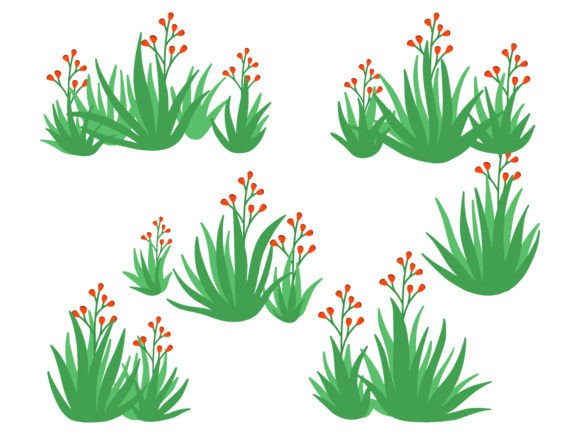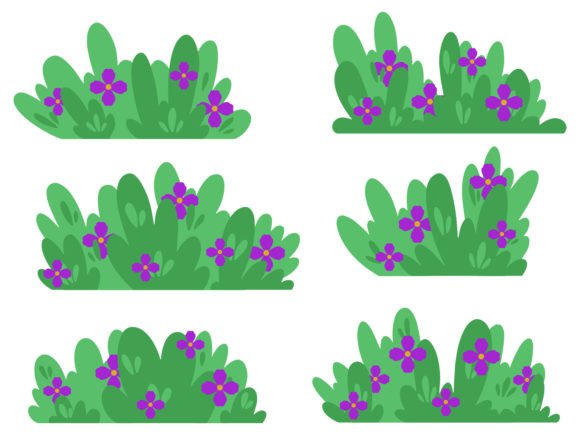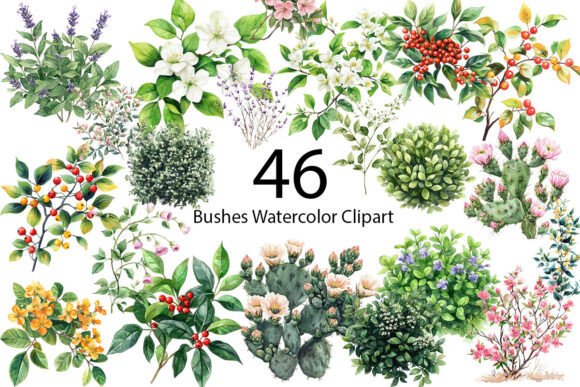
Grass, Grass Clumps, and Bushes Flowers: The Essential Guide to Digital Nature Assets
In the realm of digital design, the ability to evoke a sense of place and atmosphere often hinges on the smallest details. While grand landscapes set the stage, it is the intricate textures of Grass, Grass Clumps, and Bushes Flowers that bring a scene to life. Whether you are crafting a wedding invitation, designing a website header, or assembling a scrapbook page, the quality of your natural elements determines the overall polish of your project. This comprehensive guide explores the utility, technical specifications, and creative applications of high-resolution nature clipart, specifically focusing on a curated collection designed to meet the demands of modern creators.
The Evolution of Digital Nature Elements
Historically, designers relied heavily on vector illustrations or low-resolution raster images to represent vegetation. These early assets often lacked depth, appearing flat and artificial when placed against complex backgrounds. The evolution of digital asset libraries has shifted dramatically toward photorealism and seamless integration. Today, the standard for professional work requires files that mimic the organic irregularity of real plants. When searching for captivating clipart, the focus has moved from simple outlines to detailed renderings that capture the interplay of light and shadow within a single blade of grass or a cluster of wildflowers.
This shift is particularly evident in the demand for spring grass and floral accents. As seasons change, so do design trends. The vibrant greens and delicate blooms associated with spring have become staples in marketing materials, greeting cards, and educational resources. A collection featuring Grass, Grass Clumps, and Bushes Flowers allows designers to stay current without needing to conduct time-consuming photo shoots or spend hours painting individual leaves in illustration software.
Technical Specifications That Matter
For professionals and hobbyists alike, understanding the technical underpinnings of image files is crucial for ensuring print and web readiness. A common pitfall in digital design is using images that degrade upon scaling. To avoid pixelation and maintain crisp edges, resolution and file format are paramount. The gold standard for versatile use is a high-resolution PNG file with a transparent background. Transparency ensures that the asset can be overlaid onto any color scheme or photograph without an unsightly white box obscuring the design.
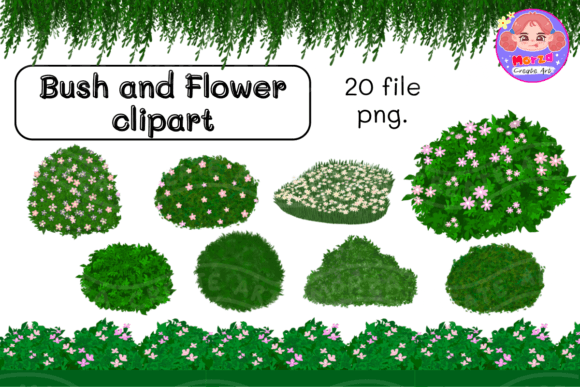
Consider the specific requirements of a premium asset pack: files sized at 3,000x3,000 pixels with a resolution of 300 dpi. This specification is not arbitrary; it is engineered for flexibility. At 300 dots per inch, these images are print-ready, capable of being reproduced on large formats such as banners, posters, or high-quality stationery without losing detail. Simultaneously, the large pixel dimensions allow for significant cropping and resizing for web applications where screen resolution varies. When you receive 20 such files, you are acquiring a toolkit that bridges the gap between screen and paper seamlessly.
Applications Across Creative Industries
The versatility of Grass, Grass Clumps, and Bushes Flowers extends far beyond a single niche. These assets serve as foundational elements in various creative workflows, offering solutions for professionals and consumers across different sectors.
Invitations and Stationery Design
One of the most popular uses for this type of clipart is in the creation of personalized invitations. Wedding planners, event organizers, and DIY enthusiasts often seek to convey a theme of growth, renewal, and natural beauty. By integrating realistic spring grass and flower clumps into the borders or corners of an invitation, designers can instantly elevate the perceived value of the piece. Unlike generic templates, custom arrangements of these elements allow for unique compositions that reflect the personality of the event. The transparency of the PNG files ensures that text remains legible even when layered over dense foliage, provided the contrast is managed correctly.
Web Design and User Interface
In the digital space, user experience (UX) relies heavily on visual hierarchy and engagement. Web designers frequently utilize nature-inspired graphics to soften the rigid lines of modern interfaces. A subtle layer of bushes flowers at the bottom of a landing page can create a sense of grounding and stability. Furthermore, these assets are excellent for creating hero sections that tell a story immediately upon loading. Because the files are optimized for web use while retaining high resolution, they load efficiently on modern devices while looking sharp on Retina displays. This balance is essential for maintaining fast load times, a critical factor in search engine optimization and user retention.
Scrapbooking and Memory Keeping
For hobbyists and scrapbookers, the ability to blend physical photos with digital embellishments is a game-changer. Traditional paper cutouts can be labor-intensive and may not always match the color palette of a specific photo. Digital Grass, Grass Clumps, and Bushes Flowers offer infinite adjustability. Users can resize, rotate, and apply opacity changes to match the lighting of their photographs. This capability allows for the creation of mixed-media layouts that look professionally executed. Whether documenting a family garden party or a hiking trip, adding layers of realistic vegetation helps frame the memory and adds depth to the page.
Understanding the Components of the Collection
A robust collection of nature assets is more than just a random assortment of green shapes. It is a carefully curated library that addresses specific compositional needs. Let us break down the three core components found in a high-quality set:
- Grass: Individual blades or sweeping fields of grass are used to establish ground planes. They provide texture and a sense of scale. In design, they are often used as footers or background textures to fill negative space.
- Grass Clumps: These are denser groupings that add volume and weight to a composition. Clumps are ideal for framing subjects or creating barriers within a layout. They offer a more organic feel than uniform rows of grass.
- Bushes Flowers: These elements introduce color and focal points. Flowers break up the monotony of green and draw the eye to specific areas of interest. They are essential for adding seasonal context, such as the freshness of spring or the vibrancy of summer.
When working with these elements, the key is variety. A collection containing 20 distinct files ensures that a designer does not repeat the same shape twice, which can make a design look amateurish. Diversity in shape, size, and density allows for dynamic compositions that feel natural rather than constructed.
Workflow Integration for Creators
Incorporating Grass, Grass Clumps, and Bushes Flowers into a design workflow requires a strategic approach to maximize efficiency. For educators creating lesson plans about botany or ecology, these images can serve as clear visual aids. Researchers might use them to illustrate habitat descriptions in reports. Business owners can leverage them for branding materials that emphasize sustainability or organic values.
The process typically begins with selecting the appropriate base element. If the goal is to create a border, one might start with a long strip of grass and then intersperse it with smaller clumps and flowers to create rhythm. Using software like Adobe Photoshop, Illustrator, or Canva, the transparent PNG files can be manipulated effortlessly. The high resolution allows for non-destructive editing, meaning you can zoom in to adjust the placement of a single flower petal without compromising the integrity of the entire image.
Furthermore, the 300 dpi resolution makes these assets suitable for hybrid projects. Imagine a scenario where a designer creates a digital mockup of a product packaging that features a "garden fresh" label. The label is printed on actual packaging, but the initial proofing is done digitally. Having assets that perform well in both environments streamlines the production timeline significantly. There is no need to source separate files for web and print; the same high-quality source file serves both purposes.
Color Theory and Seasonal Adaptation
While the collection focuses on spring aesthetics, the versatility of these assets extends to other seasons through color manipulation. The neutral tones of stems and leaves can be adjusted to reflect autumn browns or winter whites. However, starting with a high-fidelity spring base provides the best foundation for such adjustments because the original colors are vibrant and distinct. This adaptability makes the investment in a comprehensive pack highly cost-effective for businesses that require seasonal updates to their marketing materials throughout the year.
Enhancing Brand Identity with Natural Motifs
Brands are increasingly turning to nature imagery to communicate values of health, purity, and environmental stewardship. For eco-friendly companies, agricultural businesses, or wellness centers, the use of authentic-looking Grass, Grass Clumps, and Bushes Flowers is not merely decorative; it is a strategic communication tool. These visuals reinforce the brand's message before a single word is read.
However, authenticity is key. Low-quality, cartoonish clipart can undermine a brand's credibility, making it appear cheap or outdated. High-resolution, photorealistic assets signal professionalism and attention to detail. When a consumer sees a brochure or website adorned with crisp, detailed botanical elements, they subconsciously associate that quality with the products or services being offered. This psychological connection is a powerful driver in consumer decision-making.
Final Thoughts on Asset Selection
Choosing the right digital assets is a critical step in the creative process. It is the difference between a project that feels rushed and one that feels thoughtful and complete. A collection offering 20 high-resolution PNG files of Grass, Grass Clumps, and Bushes Flowers represents a significant resource for anyone involved in visual communication. From the technical advantages of 300 dpi resolution and transparent backgrounds to the practical applications in invitations, web design, and scrapbooking, these tools empower creators to execute their visions with precision.
As the demand for high-quality, versatile content continues to grow, having access to a reliable library of natural elements becomes indispensable. Whether you are a seasoned graphic designer or a passionate hobbyist, integrating these assets into your workflow will undoubtedly add charm and elegance to your creations. By prioritizing quality and understanding the nuances of digital nature imagery, you ensure that your designs stand out in an increasingly crowded visual landscape.