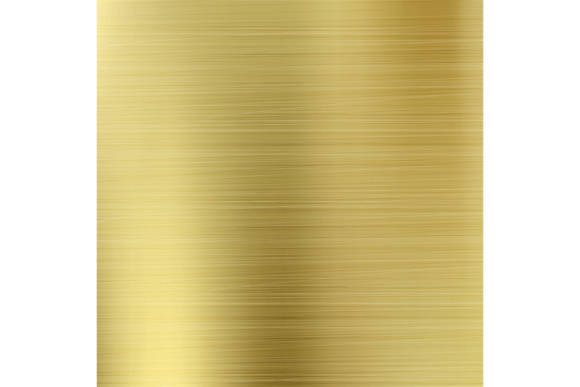
Gold Surface. Brushed Metal Texture. Realistic Reflection for Professional Design
In the world of digital design, the difference between a good concept and a compelling final product often comes down to the smallest details. One of those details is texture. A flat, solid color might convey a message, but it rarely evokes a feeling. This is where resources like Gold Surface. Brushed Metal Texture. Rea become essential tools in a creator's toolkit. Whether you are a graphic designer working on a luxury brand identity or a small business owner trying to elevate your social media presence, understanding how to leverage realistic metallic textures can transform your visual communication.
The term "brushed metal" refers to a specific finishing technique applied to metals, creating fine parallel lines that diffuse light rather than reflecting it like a mirror. When this effect is translated into a digital asset, such as a vector illustration or a high-resolution JPG, it brings a sense of tangible quality to screen-based work. The inclusion of realistic reflection adds another layer of depth, mimicking how light interacts with the microscopic grooves of actual gold plating. For anyone looking to add sophistication without spending thousands on physical photography, these digital assets offer an immediate upgrade.
Why Realistic Textures Matter in Modern Design
We live in an era where audiences have developed a keen eye for authenticity. Generic clip art or low-quality gradients often signal a lack of effort or budget. In contrast, a high-fidelity Gold Surface. Brushed Metal Texture suggests craftsmanship and attention to detail. It taps into the psychological association we have with gold: value, prestige, and durability.
When you apply a realistic brushed finish to a logo, a button, or a background, you are not just adding color; you are adding weight. It makes the digital object feel substantial. This is particularly important for industries where trust and quality are paramount. Consider a financial advisor updating their website. A flat yellow circle might look cheap, but a gold surface with subtle brush strokes and light reflection conveys stability and wealth. It tells the visitor, before they even read a word, that this business operates at a high standard.
Practical Applications for Entrepreneurs and Marketers
For entrepreneurs and marketers, time is a currency, and hiring a professional photographer for every product shot isn't always feasible. Digital textures provide a scalable solution. Imagine you are launching a limited-edition product line. You need packaging designs that scream "premium." By integrating a Gold Surface. Brushed Metal Texture. Rea into your mockups, you can visualize exactly how the final product will look under different lighting conditions.
This is also incredibly useful for social media marketing. Platforms like Instagram and LinkedIn are visually driven. A post featuring a headline with a brushed gold gradient overlay stands out in a feed full of flat text. It catches the eye and encourages users to pause and engage. For bloggers and content creators, using these textures in headers or featured images can help establish a consistent, high-end aesthetic that keeps readers returning.
- Luxury Branding: Use the texture for logos, letterheads, and business cards to establish an immediate premium feel.
- Product Mockups: Apply the texture to digital renderings of watches, jewelry, or electronics to simulate real-world materials.
- Digital Marketing Assets: Create eye-catching banners, ad creatives, and email headers that convert better due to perceived quality.
How Different Users Benefit from Vector and Raster Formats
One of the most significant advantages of finding a resource labeled as "Vector illustration EPS, JPG" is the flexibility it offers. Not all projects require the same file type, and understanding the distinction can save hours of frustration later.
If you are a freelance designer working on a large billboard or a complex logo that needs to be scaled up repeatedly, the EPS (Encapsulated PostScript) format is indispensable. Because vectors are math-based, they remain crisp and sharp no matter how much you enlarge them. You can take a small icon and blow it up to the size of a building without seeing any pixelation. The Gold Surface. Brushed Metal Texture embedded within the vector allows you to manipulate the scale while maintaining the integrity of the brush strokes and reflections.
On the other hand, if you are a hobbyist or a blogger working primarily in Photoshop or Canva for web use, the JPG version is often more convenient. Raster files load quickly in web browsers and are compatible with almost every image editing software. For social media posts, blog thumbnails, or presentations, a high-resolution JPG provides the necessary detail without the overhead of managing vector paths. Having both formats available ensures that you can adapt the asset to any workflow, whether you are designing a print brochure or a mobile app interface.
Real-World Scenarios: From Education to E-Commerce
The utility of these textures extends beyond commercial advertising. Educators and publishers frequently use high-quality visuals to make learning materials more engaging. A history textbook discussing the Industrial Revolution could use a brushed metal texture to illustrate machinery or architectural elements from that era, grounding abstract concepts in visual reality. Similarly, a science teacher explaining conductivity or material properties can use a realistic gold surface to demonstrate how light reflects off conductive materials.
In the realm of e-commerce, the stakes are even higher. Online shoppers cannot touch the products they buy, so they rely entirely on imagery. An online store selling gold-plated accessories can use a Gold Surface. Brushed Metal Texture. Rea to create composite images that show the product in a luxurious setting. Instead of a plain white background, placing the item against a textured gold backdrop creates a cohesive, immersive shopping experience. This can directly influence conversion rates by reducing hesitation and increasing the perceived value of the item.
Even interior designers and architects utilize these assets during the proposal phase. Before a client commits to installing brass or gold fixtures in a lobby, the designer can present 3D renders enhanced with realistic metal textures. This helps the client visualize the final outcome, ensuring that the lighting and finish align with their vision. It bridges the gap between imagination and execution.
What to Consider Before Choosing Your Asset
While the benefits are clear, not all texture files are created equal. Before downloading or purchasing a Gold Surface. Brushed Metal Texture, there are several factors to consider to ensure it meets your project needs.
First, evaluate the resolution. If you plan to use the image for print, ensure the DPI (dots per inch) is high enough, typically 300 DPI or greater. A low-resolution image might look fine on a phone screen but will appear blurry and unprofessional when printed on a business card. Second, check the license terms. Some free assets come with restrictions on commercial use, while others require attribution. As a business owner or freelancer, you want to avoid legal complications down the road, so always verify that you have the right to use the asset for your specific purpose.
Another critical aspect is the realism of the reflection. A common mistake in amateur design is using a texture that looks too shiny or plastic-like. A true brushed metal finish should have a directional grain and subtle variations in brightness. Look for assets where the light interaction feels natural, with soft highlights and gradual shadows. This level of detail is what separates a generic template from a custom-designed piece.
Finally, consider how the texture integrates with your existing color palette. Gold is a versatile color, but it pairs differently depending on the undertones. A warm, yellowish gold might clash with cool blue backgrounds, whereas a champagne or rose-gold variation might blend seamlessly. Testing the texture in your actual design environment before committing to it is always a wise move.
Bringing Your Vision to Life
Ultimately, tools like Gold Surface. Brushed Metal Texture. Rea are about empowerment. They allow creators of all levels to produce work that rivals high-budget agencies. By understanding the nuances of texture, format, and application, you can make informed decisions that enhance your brand and resonate with your audience. Whether you are crafting a wedding invitation, designing a tech startup's landing page, or simply sprucing up a personal portfolio, the right texture can be the finishing touch that makes all the difference. It turns a simple idea into a polished, professional reality.