Designing Urban Greenery: The Power of a Vector Set of Simple Trees and Bushes
In the digital landscape of graphic design, architecture, and urban planning, the ability to visualize green spaces quickly and effectively is paramount. Whether you are sketching out a new city park, creating a marketing brochure for a residential development, or designing an infographic about environmental sustainability, the right assets make all the difference. This is where a Vector Set of Simple Trees and Bushes becomes an indispensable tool. These collections offer more than just decorative elements; they provide a streamlined workflow for professionals who need to communicate complex ideas with clarity and visual appeal.
The Evolution of Digital Greenery in Design
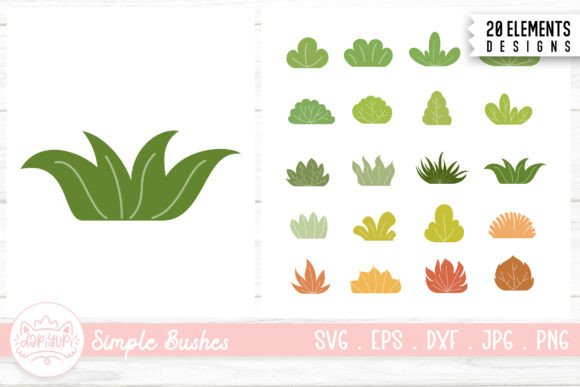
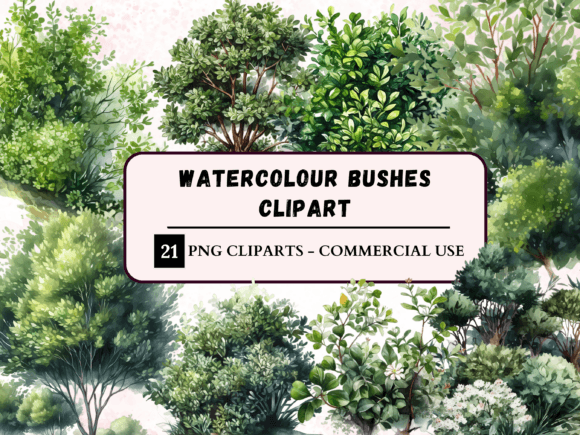
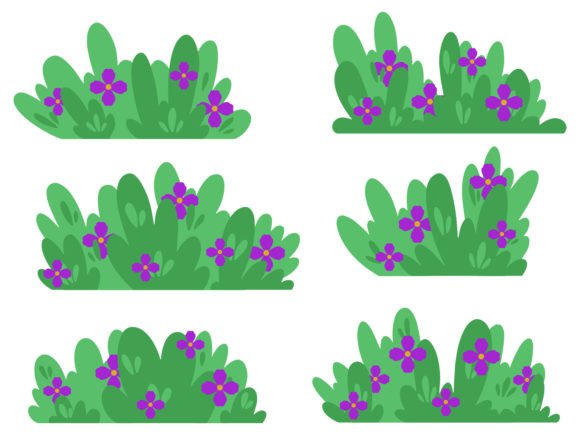
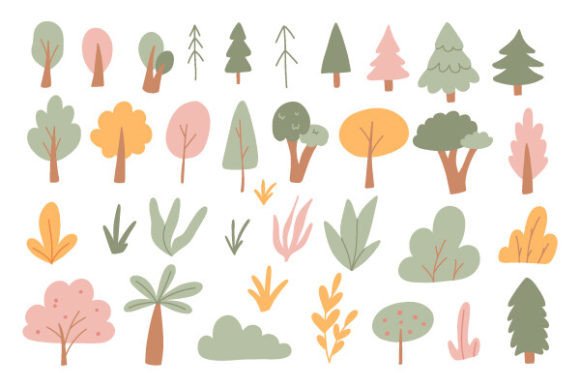
Gone are the days when designers had to painstakingly draw every leaf and branch from scratch for every single project. While hand-drawn illustrations have their charm, modern workflows demand efficiency without sacrificing quality. A Collection of plants for the city isolated on a white background represents a significant shift in how we approach environmental visualization. By offering pre-made, scalable assets, these vector sets allow creatives to focus on composition, layout, and storytelling rather than getting bogged down in repetitive detailing.
The "simple" aspect of these trees and bushes is not a limitation but a strategic advantage. In many professional contexts, such as site plans, zoning diagrams, or user interface designs for navigation apps, hyper-realistic textures can actually distract from the core message. Clean lines and simplified shapes ensure that the vegetation acts as a supporting character to the main subject—the infrastructure, the building, or the data being presented. This minimalist approach aligns perfectly with contemporary design trends that favor flat design and clean aesthetics.
Why Vectors Remain the Gold Standard
When selecting assets for any project involving scaling, resolution independence is non-negotiable. Raster images, while detailed, lose quality when enlarged, leading to pixelation that looks unprofessional in print or high-resolution displays. A Vector Set of Simple Trees and Bushes solves this problem entirely. Because vectors are mathematically defined paths rather than grids of pixels, they can be scaled from a tiny icon on a mobile screen to a massive billboard without any loss of fidelity.
This scalability is particularly crucial in architectural presentations. An architect might need a small representation of a tree for a floor plan but then require the same tree to be blown up for a large-scale rendering of a park entrance. With vector files, the transition is seamless. The crisp edges remain sharp, and the colors stay vibrant regardless of the output size. Furthermore, vector files are generally lighter in file size compared to high-resolution raster images, which contributes to faster loading times on websites and smoother performance in design software.
Integrating City Plants into Modern Workflows
The practical application of a Collection of plants for the city isolated on a white background extends across various industries. For urban planners, these assets are essential for creating preliminary sketches and community engagement materials. When presenting a proposal to city councils or local residents, clear and understandable visuals are key. Using simple, recognizable silhouettes of trees and bushes helps stakeholders visualize the proposed changes to their neighborhood without getting confused by overly artistic or abstract representations.
Marketing teams also benefit immensely from these resources. Real estate developers often use these vector sets to create aspirational imagery for future projects. Even before a single shovel hits the ground, a developer can produce brochures showing lush greenery surrounding new apartment complexes. The "isolated on a white background" feature allows marketers to easily layer these plants over photos of buildings or integrate them into custom color schemes that match their brand identity. You can change the color of the leaves to match a corporate palette or adjust the opacity to create depth, all within seconds.
- Architectural Diagrams: Use simple outlines to denote planting zones on technical drawings.
- Web Design: Incorporate lightweight SVG versions of trees and bushes for eco-friendly website themes.
- Infographics: Visualize statistics about urban forestry using consistent, stylized plant icons.
- Presentation Decks: Enhance slides with relevant greenery to break up text-heavy content.
Customization and Flexibility
One of the most overlooked benefits of a Vector Set of Simple Trees and Bushes is the level of customization it offers. Unlike static clip art, vector files are editable. Designers can modify the shape of a bush, extend the branches of a tree, or combine different elements to create unique compositions. If a project requires a specific type of shrubbery that isn't exactly represented in the set, a designer can take an existing bush vector and tweak its nodes to fit the requirement.
This flexibility is vital for maintaining consistency across a brand's visual identity. If a company uses a specific shade of green and a particular style of line work, having a vector set allows them to adapt generic plant assets to fit those strict guidelines. It ensures that whether the asset is used in a social media post, a printed flyer, or a 3D model texture map, the visual language remains cohesive.
Selecting the Right Assets for Your Project
With thousands of stock image options available, choosing the right collection can be daunting. When looking for a Collection of plants for the city isolated on a white background, there are several factors to consider to ensure the assets meet your specific needs. First, evaluate the complexity of the designs. For technical drawings, you want the simplest possible shapes. For marketing materials, you might prefer slightly more detailed vectors that still maintain a clean look.
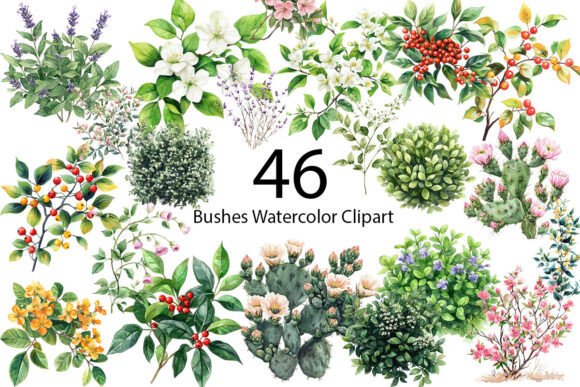
Another critical factor is the variety within the set. A good Vector Set of Simple Trees and Bushes should include a diverse range of species and growth stages. You need deciduous trees, evergreens, tall pines, short shrubs, and perhaps even flowering bushes. Having a comprehensive library means you won't run out of options when designing a scene that requires a mix of vegetation types. It prevents the "copy-paste" look where every tree in a forest looks identical, which can ruin the realism of a design.
File format compatibility is also a major consideration. Ensure that the set includes formats compatible with your primary design software, such as Adobe Illustrator (.AI), CorelDRAW (.CDR), or Scalable Vector Graphics (.SVG). SVG is particularly important for web designers, as it allows for inline coding and animation capabilities that other formats cannot support. Additionally, check if the license allows for commercial use, especially if the final product will be sold or used in advertising campaigns.
Enhancing User Experience with Green Elements
Beyond the technical aspects, incorporating natural elements into digital interfaces has a psychological impact. Biophilic design principles suggest that humans have an innate connection to nature, and including visual cues of greenery can reduce stress and improve focus. A Vector Set of Simple Trees and Bushes allows UI/UX designers to subtly introduce these elements into applications without overwhelming the user interface.
Imagine a fitness app that tracks outdoor runs. Using simple vector trees along the path visualization makes the experience feel more immersive and connected to the real world. Or consider a banking app that wants to promote its "green energy" initiatives; a subtle background pattern of stylized bushes can reinforce the message subconsciously. The isolation on a white background makes these elements versatile enough to blend into almost any color scheme or background texture, ensuring they enhance the user experience rather than detract from it.
Future-Proofing Your Design Library
As technology advances, the demand for high-quality, adaptable digital assets continues to grow. Investing in a robust Collection of plants for the city isolated on a white background is a forward-thinking move for any creative professional. These assets serve as a foundation upon which countless projects can be built, saving time and resources in the long run. They bridge the gap between the physical world of urban planning and the digital realm of presentation and communication.
Whether you are a seasoned architect, a freelance graphic designer, or a student learning the ropes of digital illustration, understanding the value of a Vector Set of Simple Trees and Bushes is essential. It empowers you to create compelling narratives about our cities and environments, making the concept of sustainable living and urban beautification accessible and visually engaging. By leveraging these tools, you not only streamline your workflow but also elevate the quality of your final output, ensuring that your vision of a greener future is communicated clearly and effectively.